


How Multidisciplinary Care Can Help with Rotator Cuff Injuries
Imagine waking up one morning, eager to start your day, but as you attempt to brush your teeth, the pain in your shoulder sends a searing wave of discomfort through your entire arm. Suddenly, the simplest tasks become challenging.
This scenario is all too familiar for individuals dealing with rotator cuff injuries, which can severely limit daily life functions. However, physical therapy, chiropractic care, massage therapy, and acupuncture can all offer hope. This multidisciplinary approach to care is an effective way to regain strength, mobility, and overall shoulder function.
At ProClinix Sports Physical Therapy & Chiropractic, our team will work closely with you to resolve your shoulder pain. We’ll get to the root of your problem and provide clear guidance to help you recover sooner rather than later.
Contact us today and get started on your road to recovery!
The Impact of a Shoulder Injury
Rotator cuff injuries can disrupt your life in many ways, affecting your physical abilities and overall well-being. Some common limitations and challenges individuals face due to shoulder pain include:
Painful Movements:
Simple actions like reaching for an item on a high shelf, combing your hair, or even tucking in your shirt can become excruciatingly painful.
Sleep Disturbances:
Many people with shoulder injuries struggle to find a comfortable position, leading to disrupted sleep patterns and fatigue.
Limited Range of Motion:
Reduced shoulder mobility can hinder your ability to perform essential tasks, such as putting on a seatbelt or reaching behind your back.
Loss of Strength:
Weakness in the affected arm can make lifting even lightweight objects a daunting challenge.
But for those grappling with these challenges, seeking help from ProClinix Sports Physical Therapy & Chiropractic can be a game-changer.
The Role of ProClinix Sports Physical Therapy & Chiropractic in Your Recovery
When you consult with our clinicians for a rotator cuff injury, the initial evaluation is a critical step in the recovery process. Here’s what you can expect:
We’ll start by discussing your medical history, including the onset and nature of your shoulder pain, any previous injuries, and your overall health.
A thorough physical examination follows, focusing on the affected shoulder. This includes assessing your range of motion, strength, and any signs of inflammation or instability. To understand how your injury impacts your daily life, we’ll assess your ability to perform essential tasks like reaching, lifting, and dressing.
Based on the evaluation findings, our multidisciplinary team will work together to create a program tailored to your unique rehab goals. This plan might include:
Pain Management:
Acupuncture and massage therapy can both help alleviate acute pain and improve shoulder mobility, creating a strong foundation for your rehabilitation.
Chiropractic Adjustments:
Our chiropractors can use hands-on techniques, such as shoulder joint mobilizations and soft-tissue work, to reduce pain and improve range of motion in individuals with rotator cuff injuries.
Therapeutic Exercises:
A customized exercise program is a cornerstone of rotator cuff rehabilitation. We’ll prescribe exercises that target specific muscle groups, gradually improving strength and function.
Home Exercise Programs:
Our team will also provide you with home exercise programs to promote continuity of care. Consistent adherence to these programs can improve rotator cuff rehabilitation outcomes.
Patient Education:
Understanding the injury and learning how to prevent future problems is crucial. Our team educates patients about proper shoulder mechanics, posture, and ergonomics to reduce re-injury risk.
As you continue to progress in your recovery, functional training becomes vital. Tasks like lifting, reaching, and carrying are integrated into the rehabilitation program to ensure you regain your ability to perform daily activities without pain or limitation.
Taking the First Step Towards Recovery
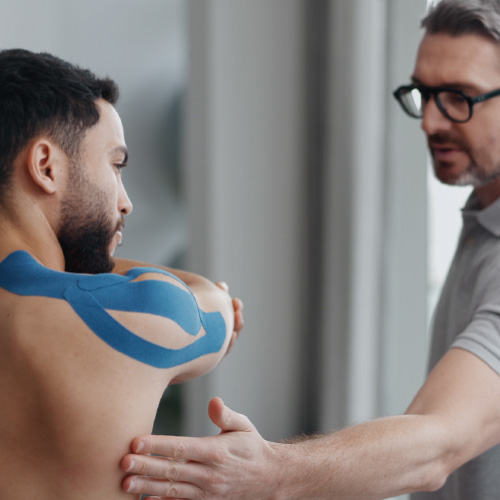
If you’re dealing with the challenges of a rotator cuff injury, don’t let it limit your life any longer. Seek the expertise of one of our highly skilled physical therapists, chiropractors, massage therapists, and acupuncturists. Together, they can provide a personalized treatment plan based on your unique needs and goals.
Your path to regaining strength, mobility, and a more functional shoulder begins with a simple but crucial step: reaching out to us today!
Don’t wait — start your journey towards recovery today!
Join Us for a Healthier You – Book Today!
Come back to ProClinix Sports Physical Therapy & Chiropractic and book your appointment today for personalized care and exceptional service!

Monthly Article
Understanding Rotator Cuff Injuries: Signs and Symptoms
If you’ve been experiencing shoulder pain or discomfort, it’s essential to understand the signs and symptoms of a potential rotator cuff injury. By recognizing these indicators, you can take the crucial first step towards seeking appropriate care and embark on your path to recovery.
Rotator cuff injuries can vary in severity. In addition to pain, they often share these five signs and symptoms:
- Disturbed Sleep: Rotator cuff pain often worsens at night, interfering with sleep. Sleeping on the affected side can be particularly uncomfortable.
- Weakness: Individuals with a rotator cuff injury may experience weakness in the affected shoulder, making it challenging to perform tasks that require lifting, reaching, or holding objects.
- Limited Range of Motion: Reduced mobility in the shoulder is a common symptom. You may struggle to raise your arm, reach behind your back, or perform overhead activities.
- Difficulty with Daily Activities: Rotator cuff injuries can impact daily tasks such as combing hair, dressing, and reaching for items on high shelves. It can also affect sports and recreational activities.
- Gradual Onset: Some rotator cuff injuries develop gradually over time due to overuse, while others may result from a sudden injury or trauma, such as a fall or lifting heavy objects.
Take the First Step Toward Recovery
It’s essential to seek help from the team at ProClinix Sports Physical Therapy & Chiropractic if you experience any of these symptoms, as early intervention can lead to more effective treatment and improved outcomes. Our physical therapists, chiropractors, massage therapists, and acupuncturists will work together to create a treatment plan to address your specific needs and goals.
Don’t wait to get help; call today and schedule a consultation!
Check Out Our Videos!
At ProClinix Sports Physical Therapy and Chiropractic, we don’t just treat injuries; we build unstoppable athletes.
For 15 years in Westchester, we’ve been blending education with edge, guidance with grit, and rehab with resilience—because you deserve more than a recovery, you deserve to be better PERIOD.
Our athletes and patients are our purpose, because We Are ProClinix!
5 Common Spring Sports Injuries
By Dr. Amy Shahbazian, PT, DPT, OCS
We’ve made it through New York’s wild winter! As temperatures rise and days grow longer, athletes of all ages are returning to outdoor activities like running, soccer, tennis, baseball, and lacrosse. While spring sports are a great way to stay active, the sudden increase in activity after a sedentary winter often leads to a rise in injuries.
At ProClinix, we commonly see a number of injuries this time of year as athletes transition back into their training routines. Understanding these injuries—and addressing them early—can help athletes recover faster and return safely to the activities they enjoy. Here’s more about some common injuries we see:
1. Ankle Sprains
Ankle sprains are one of the most common sports injuries, especially in sports that involve cutting, pivoting, or jumping such as soccer, lacrosse, and basketball. These injuries occur when the ligaments that stabilize the ankle are stretched or torn.
Physical therapy focuses on restoring mobility, strengthening the muscles that support the ankle, and improving balance and proprioception to reduce the risk of repeat sprains.
2. Knee Pain and Overuse Injuries
Increased running and jumping during the spring season can place added stress on the knee joint. Many athletes develop pain around the kneecap, often referred to as runner’s knee.
Weakness in the hips and core, poor movement mechanics, and rapid increases in training intensity can all contribute to knee pain. Physical therapy helps address these underlying issues through targeted strengthening, movement retraining, and load management.
3. Shoulder Injuries in Throwing Sports
Baseball, softball, and tennis athletes frequently experience shoulder discomfort due to repetitive overhead motions. These movements can strain the rotator cuff and surrounding structures.
Early treatment is important. A physical therapist can assess shoulder mobility, strength, and mechanics to develop a program that supports safe return to throwing and prevents further irritation.
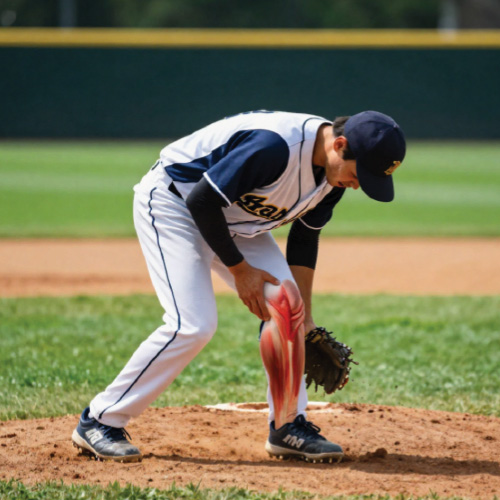
4. Shin Splints
Many runners resume outdoor training in the spring, sometimes increasing mileage too quickly. This can lead to shin splints, which cause pain along the inner edge of the lower leg.
Treatment often includes activity modification, strengthening of the lower leg and hip muscles, and guidance on gradually returning to running.
5. Hamstring Strains
Sports that involve sprinting and sudden acceleration—such as soccer and track—can increase the risk of hamstring strains. These injuries often occur when muscles are tight, fatigued, or not adequately warmed up.
Physical therapy focuses on restoring flexibility, strengthening the hamstrings and gluteal muscles, and improving movement patterns to help prevent reinjury.
Meet Our Team

Joanna Ferdman
L.Ac. Acupuncturist


Melanie Mandel
PTA, CSCS

Dr. Brian J. Dombal
PT, DPT, Director of Physical Therapy

Dr. Alan H. Siegel
DC, Director of Chiropractic

Dr. Stefanie Tropea
DC, Chiropractic

Dr John Maloney
DC, Chiropractic

Dr Joseph Recchia
DC, ATC, Chiropractic


Dr. Tyler Fallon
PT, DPT, CSCS

Dr. Michael Donnelly
PT, DPT, OCS, CSCS

Dr. Emily Ford
PT, DPT

Dr. Elizabeth Bynum
PT, DPT

Dr. Stephen Grunbok
PT, DPT

Adam Pliskow
PT, MS

Dr. John Shlimoun
PT, DPT

Dr. Chris Ju
PT, DPT, FAFS, CSCS, USAW

Daniel Bogart
PT, MS, CSCS

Dr. Alice Canale
PT, DPT
Dr. Evan Qatani
PT, DPT, CSCS

Dr. Benjamin Hylka
PT, DPT

Dr. Daniel Brennan
PT, DPT
Dr. Nicholas Crecco
PT, DPT


Andrea Gurciullo
L.Ac. Acupuncturist, MTOM





Dr. Jordan Kosterich
DC, Chiropractic



Dr. Zachary Rachmil
PT, DPT