

Pelvic Floor Dysfunction:
A Comprehensive Guide to Physical Therapy Rehabilitation
Some symptoms and medical concerns can be difficult to talk about. Conditions like urinary incontinence, vaginal prolapse, or sexual dysfunction often go untreated for years. But pelvic floor dysfunction–an umbrella term that includes these conditions/symptoms and many more–is nothing to be ashamed of.
Your pelvic floor is a set of muscles that operates a bit like a hammock for your bladder, bowels, and, in women, sexual organs. It supports these pelvic organs and serves as the bottom part of your core muscles, playing a role in your sexual health, continence, and more.
It’s no surprise, then, that impairment in the pelvic floor can have wide-ranging effects. Unfortunately, many people never seek treatment for these symptoms. At ProClinix Sports Physical Therapy & Chiropractic , we pride ourselves on providing a comfortable environment where you can share your pelvic floor concerns without fear of judgment.
Pelvic floor dysfunction affects both men and women, and its symptoms can decrease your overall quality of life, including impacting your mental health. To learn more about what pelvic floor dysfunction looks like–and how physical therapy can help–keep reading!
Pelvic Floor Dysfunction:
What It Is, and What to Watch Out For
The pelvic floor muscles are no different than any other muscle in the body–you can tighten and relax them as you perform various bodily functions. But when someone has pelvic floor dysfunction, those muscles might become too tight, leading to impairments. Or they might simply be too weak to do their job properly.
Pelvic floor dysfunction can cause a wide range of symptoms depending on your gender and the specific issue with your pelvic floor muscles (i.e., tight pelvic floor muscles can cause different symptoms than a weak, “floppy” pelvic floor).
Symptoms that can occur regardless of your gender include the following:
- Stress Urinary Incontinence (SUI)
- Dyspareunia (pain with intercourse)
- Diastasis Rectus Abdominis (DRA)
- Constipation
- Increased urinary frequency
- Frequent urinary tract infections
Seek out our physical therapists if you’re experiencing any discomfort or symptoms related to your pelvic floor. We can help identify the underlying cause of the condition–and help you find solutions to address it!
How Physical Therapy Can Help Manage Pelvic Floor Dysfunction
Just as the pelvic floor is a muscle that, like any other, can become weakened or tight, it can also be strengthened and stretched like any other muscle! And because our Armonk, Pleasantville, Ardsley, West Harrison, Tarrytown, Larchmont, Yorktown and Mount Kisco, NY physical therapists understand the complexities of your body’s musculoskeletal system, they can develop a comprehensive treatment plan that addresses your needs.
Here are a few of the techniques we might utilize in your treatment:
- Pelvic Floor Exercises: We’ll show you targeted strengthening and/or stretching exercises to work out your pelvic floor. Kegels are a classic pelvic floor exercise (and one that can benefit men as much as women), but we can show you others. Core exercises also benefit the pelvic floor.
- Bladder/Bowel Training: If you’re struggling with incontinence, we can help you train your bladder or bowel to reduce episodes. For example, if you frequently need to urinate, we can develop a plan to help you go further and further between bathroom trips.
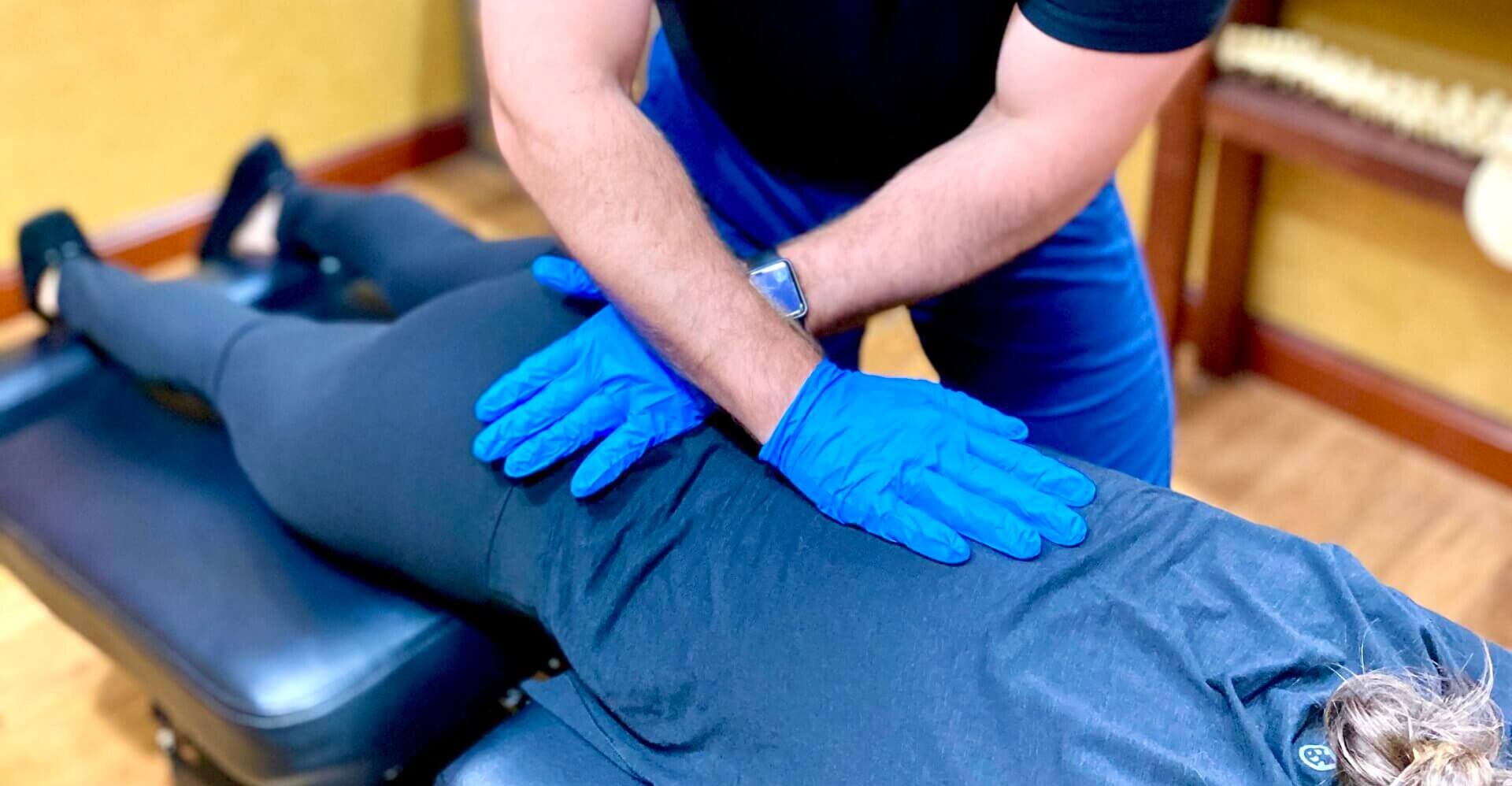
- Manual Therapy: Certain hands-on techniques can help relieve pelvic pain, such as trigger point therapy (unknotting tender “trigger points” in the body’s soft tissue), myofascial release (working out tight fascia), or joint mobilization (guiding joints through their range of motion).
- Pelvic Floor Education: One of the difficulties of pelvic floor dysfunction is the shame that can surround many of the symptoms–and the lack of information about the condition. ProClinix Sports Physical Therapy & Chiropractic can help you understand what exactly is happening in your body and provide a safe space for you to discuss your symptoms and treatment.
- Modalities: We might utilize certain techniques, such as electrostimulation or biofeedback, to manage pain and improve symptoms.
What to Expect During Your Sessions
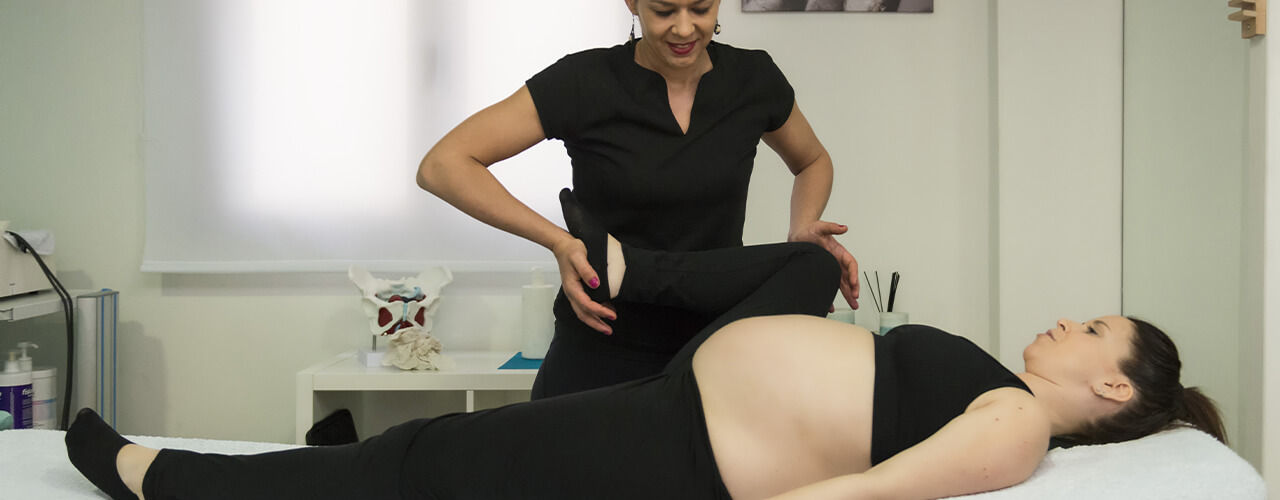
During your initial session, our therapists will provide a private, discreet space where you can share your symptoms and concerns. We’ll take a complete health history and may perform some simple, non-invasive examinations to help us better understand your condition.
From there, we’ll develop your customized treatment plan. Pelvic floor exercises will form the foundation of your program, as a strong, limber pelvic floor is crucial for good pelvic health! We’ll provide you with specific exercises that suit your needs and ensure you’re performing them correctly.
If you’re struggling with intense pain, we can use manual therapy or modality techniques to help you manage your pain so you can perform your exercises. We’ll also show you exercises and activities you can do at home to continue your treatment–for example, Yoga is great for pelvic health.
The critical thing to remember is that pelvic floor physical therapy takes time. You won’t see results after one session–but stick to your treatment plan, and you will see improvements over time!
Schedule Your Initial Consultation Today
Most people who experience pelvic floor dysfunction will wait years before seeking treatment. One study found that 42% of people will experience symptoms for five years or more! But there’s no reason to suffer like that. Physical therapy with the team at ProClinix Sports Physical Therapy & Chiropractic will help you find the relief you deserve.
Appointment at our clinic and start your journey to a health pelvic floor!
Your Next Steps…
Request An Appointment
Receive A Custom Treatment Plan
Work Hard and Progress In Your Recovery
Recover & Enjoy Life Pain-Free!