

Addressing Sciatic Pain: Start Early for Best Results
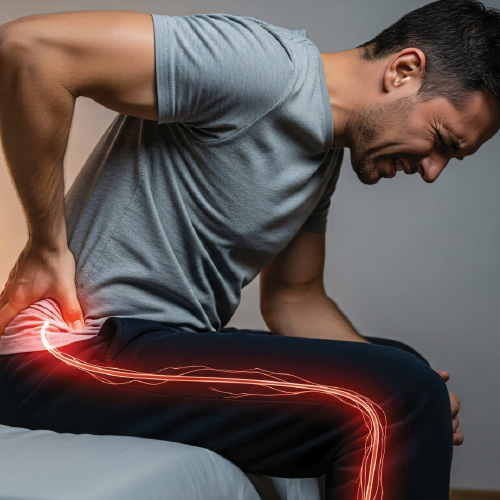
Lower back pain is bad enough. Now imagine that pain radiating down through your buttocks and into your leg. Maybe your leg becomes numb. Maybe the pain is so bad that you can barely walk.
For people with sciatica, this nightmare scenario is a reality. Sciatica is a type of lumbar radiculopathy (i.e., nerve pain) resulting from damage or irritation to the sciatic nerve, which runs from your lower back down the back of your leg. It affects between 1% – 5% of the population.
Sciatica can be debilitating. In addition to intense pain, it severely limits your mobility — some people may struggle to get around at all. And because it results from nerve damage, it can also cause numbness, tingling, and other sensations in the leg.
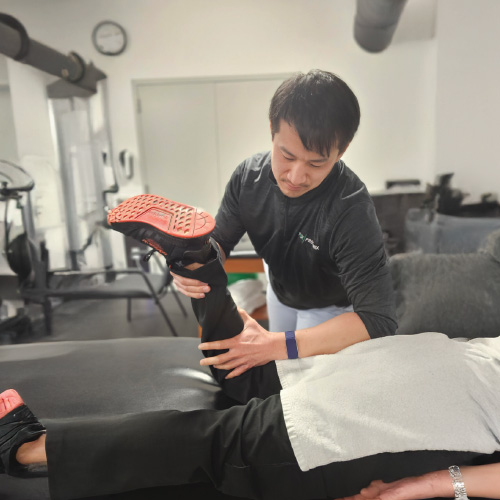
The good news is that the multidisciplinary team at ProClinix Sports Physical Therapy & Chiropractic offers a comprehensive, noninvasive approach to managing sciatica pain. Unlike pain medication (which simply masks symptoms), our blend of physical therapy, chiropractic care, massage therapy, and acupuncture seeks to resolve the underlying cause of your sciatic pain so that you have lasting relief.
When Should I Seek Help With Sciatica?
As with most musculoskeletal pains, sooner is better! Many people try to ride out sciatic pain by taking pain medication and resting, which can actually be counterproductive and further worsen the underlying cause of their sciatica. By seeking out an early intervention, you can start feeling better faster.
You should also pay attention to changes in the severity of your pain or shifting sensations in your back and leg. Because sciatica is caused by pressure on the sciatic nerve, these changing symptoms can indicate something is happening to the nerve.
What are some of the specific symptoms of sciatica you should watch out for?
- Pain in the lower back, buttocks, and leg. (Sciatica usually only affects one leg at a time.) This pain might be dull, throbbing, aching, shooting, sharp, etc. Remember to pay attention to changes in sensation!
- Numbness or tingling in the back, buttocks, or leg
- Restricted range of motion in the back. You might struggle to twist, bend, or stand up straight.
- Walking with a limp
- Increased pain in the morning or after remaining in one position for an extended period
One symptom you absolutely shouldn’t ignore is any kind of incontinence when paired with sciatic pain. This indicates a serious medical emergency that may require surgical intervention, but our team will be here waiting to help you with rehabilitation.
Fortunately, such incidents are rare. In most cases, our integrated, hands-on approach is enough to resolve sciatic pain.

This Crock Pot Irish Stew is a hearty, comforting classic that’s perfect for celebrating St. Patrick’s Day. Slow-cooked and full of rich flavor, it’s an easy, cozy meal to enjoy with family and friends. 🍀
Enjoy This Seasonal Recipe!
Best St. Patrick’s Day Crock Pot Irish Stew
- 2 lbs beef chuck roast, cubed
- 2 large potatoes, peeled and diced
- 2 cups diced carrots
- 1 envelope onion soup mix
- 2 (10¾ oz) cans tomato soup
- 1 soup can water
- 16 oz frozen peas
- salt and pepper, to taste
- parsley, for garnish
- Combine beef, potatoes, carrots, soup mix, tomato soup, can of water, salt and pepper in Crock Pot.
- Cook on LOW 8 hours.
- Add frozen peas and ¼ cup water.
- Cook on LOW 1 additional hour.
- Garnish with parsley.
A Frontline Treatment for Sciatica
One of the reasons treatments like physical therapy, chiropractic care, massage therapy, and acupuncture are so effective for sciatic pain is that they focus on resolving the underlying cause. When you come in for your appointment, our team will perform a comprehensive evaluation to help us determine what might be irritating, pinching, or compressing your sciatica nerve.
We’ll ask you to share details about your symptoms, such as when they started and the exact sensations you’re experiencing (i.e., dull pain, shooting pain, numbness). We’ll also perform several movement screens that give us a complete picture of your situation. We might check the following:
- Overall mobility
- Muscle weakness and activity
- Nerve activity
- Posture
- Balance and gait
Once we understand what’s causing your sciatic pain, we’ll develop a customized treatment plan to address that cause. The most common cause of sciatica is a lumbar herniated disc.
Nestled between each vertebra in your spine is a vertebral disc, a soft cushion of cartilage that protects the vertebrae from rubbing against each other. If one of those discs becomes damaged — either because of a sudden injury or age-related degeneration — they can rupture or bulge, irritating the nearby sciatic nerve.
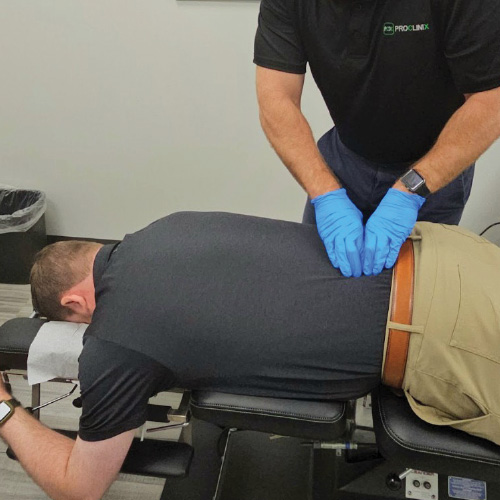
By addressing your herniated disc, you can resolve your sciatica. For most people, that means a targeted, progressive therapeutic exercise program paired with pain management techniques such as acupuncture or massage therapy.
Don’t Let That Sciatic Pain Linger: Make Your Appointment Today!
Sciatica can dramatically impact your overall quality of life. Early intervention with ProClinix Sports Physical Therapy & Chiropractic will ensure you say goodbye to sciatic pain for good.
If you’re experiencing any possible sciatica symptoms, call today to make your appointment!
Join Us for a Healthier You – Book Today!
Come back to ProClinix Sports Physical Therapy & Chiropractic and book your appointment today for personalized care and exceptional service!
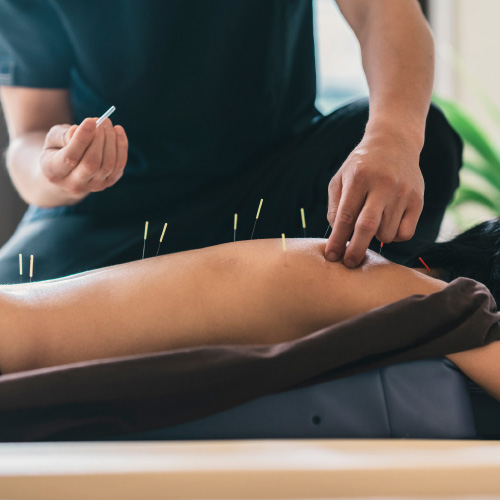
Service Spotlight: Acupuncture
A Powerful, Time-Tested Addition to Your Care Plan
At ProClinix Sports Physical Therapy & Chiropractic, we offer a range of services designed to help alleviate pain, enhance mobility, and promote healing in your body. One that our patients often have questions about is acupuncture, a treatment that has its roots in Traditional Chinese Medicine.
What Is Acupuncture?
Acupuncture is a therapeutic technique that involves inserting very thin, sterile needles at specific points on the body. The process affects both the nervous system and local tissues and offers several benefits, including:
- Triggering the release of natural pain-relieving chemicals like endorphins
- Improving blood flow to injured or stiff areas
- Calming irritated nerves that contribute to pain
- Reducing muscle tension and inflammation
We incorporate acupuncture as part of an integrated care model, incorporating it into your treatment plan alongside physical therapy, chiropractic care, and massage therapy.
The Benefits of Integrated Care
Combining acupuncture with our other services helps enhance its benefits, allowing you to enjoy long-term relief. Here’s how:
- It extends the benefits of our massage therapy services by calming deeper muscle tension
- It supports joint mobility by relaxing surrounding muscles, making chiropractic adjustments more effective
- It helps reduce acute pain, so therapeutic exercises feel easier and more effective
What to Expect During an Acupuncture Session
Your session begins with a one-on-one evaluation to understand your symptoms, movement limitations, and goals. This allows our acupuncturist to select the most appropriate technique for your needs and coordinate care with the rest of your treatment team.
During treatment, our specialist will place acupuncture needles in specific points on your body, the locations of which are determined by your symptoms. Most people experience little to no discomfort, although you may feel mild pressure, warmth, or a dull ache, which typically subsides quickly.
We then leave the needles in place for 15-30 minutes, after which you can be on your way!
Discover the Benefits of Acupuncture for Yourself
Curious if acupuncture might work for you? Schedule an appointment with ProClinix Sports Physical Therapy & Chiropractic to learn more!

Monthly Article: Acupuncture: Medicine, Not a Belief System
By: Joanna Ferdman, L.Ac.
For many, acupuncture still feels mysterious—but it’s not rooted in belief or superstition. It’s a medical system developed through centuries of careful clinical observation, designed to work with the body’s natural regulatory networks.
In this month’s featured article, Joanna Ferdman, L.Ac., explains how acupuncture and Traditional Chinese Medicine view the body as an interconnected system—much like Western medicine’s understanding of the nervous, circulatory, and endocrine systems. She breaks down concepts like Qi, meridians, and pattern-based diagnosis in a clear, grounded way, showing how acupuncture supports balance, healing, and long-term wellness across a wide range of conditions.
From pain and stress to digestion, sleep, hormones, and sports injuries, acupuncture doesn’t treat isolated symptoms—it addresses the underlying patterns that affect the whole body.
Check Out Our Videos!
At ProClinix Sports Physical Therapy and Chiropractic, we don’t just treat injuries; we build unstoppable athletes.
For 15 years in Westchester, we’ve been blending education with edge, guidance with grit, and rehab with resilience—because you deserve more than a recovery, you deserve to be better PERIOD.
Our athletes and patients are our purpose, because We Are ProClinix!
Meet Our Team

Joanna Ferdman
L.Ac. Acupuncturist


Melanie Mandel
PTA, CSCS

Dr. Brian J. Dombal
PT, DPT, Director of Physical Therapy

Dr. Alan H. Siegel
DC, Director of Chiropractic

Dr. Stefanie Tropea
DC, Chiropractic

Dr John Maloney
DC, Chiropractic

Dr Joseph Recchia
DC, ATC, Chiropractic

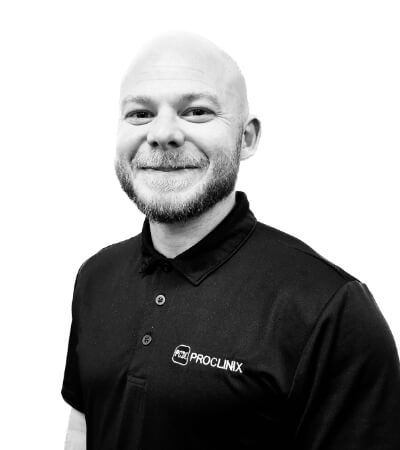
Dr. Tyler Fallon
PT, DPT, CSCS

Dr. Michael Donnelly
PT, DPT, OCS, CSCS

Dr. Emily Ford
PT, DPT
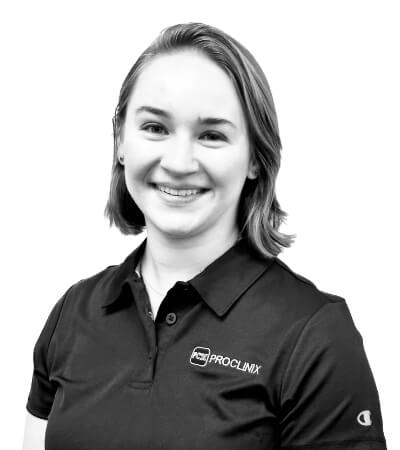
Dr. Elizabeth Bynum
PT, DPT

Dr. Stephen Grunbok
PT, DPT

Adam Pliskow
PT, MS

Dr. John Shlimoun
PT, DPT

Dr. Chris Ju
PT, DPT, FAFS, CSCS, USAW

Daniel Bogart
PT, MS, CSCS

Dr. Alice Canale
PT, DPT

Dr. Evan Qatani
PT, DPT, CSCS

Dr. Benjamin Hylka
PT, DPT

Dr. Daniel Brennan
PT, DPT
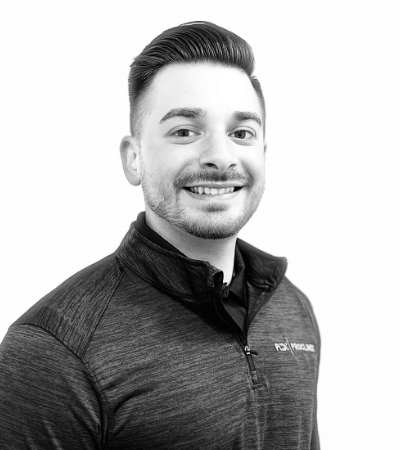
Dr. Nicholas Crecco
PT, DPT


Andrea Gurciullo
L.Ac. Acupuncturist, MTOM

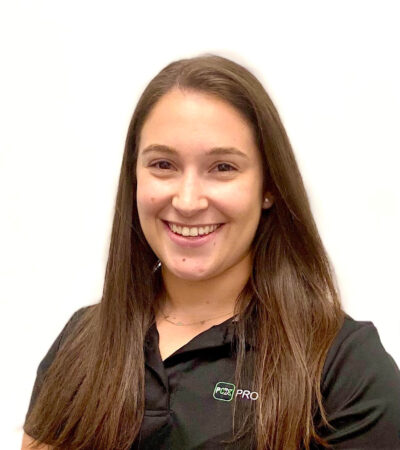



Dr. Jordan Kosterich
DC, Chiropractic



Dr. Zachary Rachmil
PT, DPT