

What You Should Know About Meniscus and ACL Injuries
By: Dr. Elizabeth Bynum, PT, DPT
Meniscus and ACL tears are very common injuries of the knee. Meniscus tears occur in as many as one million Americans per year[1], and ACL tears affect almost a quarter million Americans per year[2]. As a physical therapist, I have seen many patients with these injuries. Often, patients ask if these injuries heal on their own and what their long-term outcomes will be. I hope to answer those questions with this article.
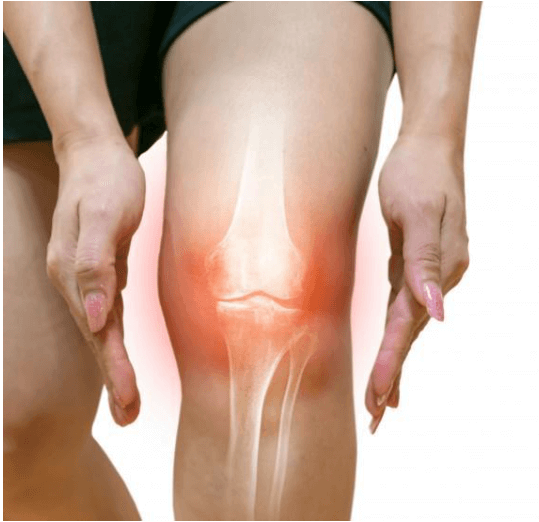
The meniscus is a “C”-shaped piece of cartilage that sits in between the thigh and shin bone. There are two in each knee—on the inside and outside of the joint (medial and lateral menisci, respectively). They provide cushion and stability. This cartilage can tear during activity that involves twisting/cutting motions. It can also become more susceptible to injury as we age. A torn meniscus can cause pain, swelling, and limited knee motion.
The ACL is different from the meniscus in that it does not provide cushion but rather stability for the knee. It is a band of connective tissue that runs between the thigh and shin bone. An ACL tear can occur due to quick changes of direction, landing awkwardly on the leg, or from a blow to the outside of the knee. A torn ACL can cause pain, swelling, and a feeling of “giving out” of the affected leg during walking. Both injuries can not only prevent a person from participating in certain activities but can also make walking extremely difficult.
For meniscal injuries the type and location of the tear will determine whether surgery is required. Meniscal tears that typically require surgery are those that cause significant disruption to the knee joint. Some tears result in a piece of the meniscus becoming caught in the joint. This greatly limits motion and causes pain. If the tear is substantial, surgery may include removing the torn piece of cartilage. Other tears can be repaired by sewing the affected pieces together. A frequently asked question by patients is “can a meniscus tear heal on its own?” Unfortunately, the meniscus does not have a robust blood supply (a requirement for tissue healing)[3]. The outer border of the meniscus receives the most blood supply; if a person’s tear is located in this region it may heal without intervention. However, many tears do not occur in this area and are unlikely to heal on their own. This does not mean surgery is inevitable. The symptoms of less severe tears can be treated conservatively by a physical therapist with great success. A physical therapist will help restore full range of motion in the knee, strengthen the leg, and help return a patient to their pre-injury activity level.
ACL injuries differ from meniscal injuries because the ACL is vital for knee stability. Instability of the knee can lead to long term pain and arthritis. Nonoperative treatment is an option for those who have a partial tear or low physical demands day-to-day. Surgical options for ACL injuries generally involve reconstruction of the ACL rather than repair. Reconstruction involves the use of tissue from another part of the body (e.g. a piece of tendon) or from a cadaver. Post operative rehab is typically longer following an ACL reconstruction compared to meniscus surgery.
Physical therapy is essential when recovering from a meniscus or ACL injury. However, it can also be a great tool prior to surgery. This is known as pre-rehabilitation or prehab. Completing a few weeks of physical therapy prior to surgery can improve strength and mobility, greatly improving a person’s outcome after the procedure and making recovery easier. If you have recently experienced one of these injuries it’s important to discuss your options with your doctor, including starting a physical therapy program.