

The Importance of Rehab After Rotator Cuff Surgery
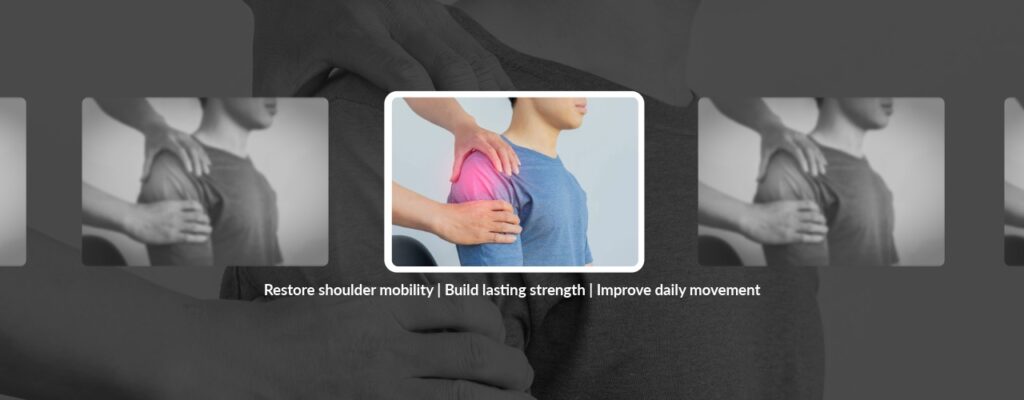
Rotator cuff surgery repairs torn tissues in the shoulder, but the procedure is only the beginning of recovery. The surrounding muscles, tendons, and joints must relearn how to move and support the shoulder safely. Without structured rehabilitation, stiffness, weakness, and poor movement patterns may slow progress. This is why rehab after rotator cuff surgery is essential for regaining comfortable, functional motion.
How Surgery Affects Shoulder Strength and Mobility
Before surgery, many adults adjust their movements to avoid pain. These compensations weaken key muscles and alter the way the shoulder moves. After surgery, the repaired tendon is protected and often immobilized for a period. This necessary protection also leads to stiffness and decreased muscle activation. When the sling finally comes off, the shoulder rarely feels ready for normal activity. Physical therapy helps rebuild strength, restore flexibility, and improve coordination so the shoulder can function smoothly again.
Why Early Guided Motion Reduces Long-Term Stiffness
The shoulder joint relies on mobility for healthy movement. After surgery, it is common for tissues to tighten as part of the healing process. Without controlled motion, this stiffness can become long-lasting and interfere with lifting, reaching, or daily tasks. Physical therapists introduce gentle, surgeon-approved movements during early phases to reduce stiffness and support healing. These exercises protect the repair while encouraging circulation and preventing the joint from becoming overly tight.
Understanding the Role of the Rotator Cuff in Everyday Movement
The rotator cuff helps stabilize and rotate the shoulder. It assists with tasks such as reaching overhead, lifting items, and supporting arm movement during work or recreation. When the cuff is injured or recovering from surgery, the shoulder cannot maintain proper alignment. This leads to discomfort and inefficient movement. Physical therapy retrains the muscles surrounding the joint so the repaired tendon can handle daily demands safely.
How Strengthening Supports a Stable and Pain-Free Shoulder
Once the healing tendon is ready, strengthening becomes a key part of recovery. Rotator cuff muscles require gradual loading to regain their ability to stabilize the joint. Physical therapists select exercises that activate these muscles without overloading them. Strengthening also includes the shoulder blade muscles, which support smooth shoulder motion. Better strength reduces stress on healing tissues and prepares the shoulder for daily tasks.
Why Posture Matters in Rotator Cuff Recovery
Posture affects how the shoulder joint moves. Rounded shoulders and a forward head position increase strain on the rotator cuff. Many adults maintain this posture during desk work or driving without noticing. During rehab after rotator cuff surgery, therapists teach postural strategies that place the shoulder in a safer, more comfortable position. Improved posture reduces irritation, improves breathing mechanics, and supports overall recovery.
How Physical Therapy Restores Shoulder Coordination
Smooth shoulder movement depends on the timing and coordination of several muscle groups. After surgery, these muscles often work at the wrong time or not strongly enough. Physical therapists use movement retraining to restore proper coordination. This includes guided reaching, controlled arm lifting, and exercises that challenge stability. Improved coordination helps protect the repair and supports efficient movement during daily activities.
Managing Pain Safely During Recovery
Pain after rotator cuff surgery can come from swelling, stiffness, or muscle weakness. Physical therapists help adults manage discomfort through controlled movement, gentle soft tissue techniques, and guided stretching. The goal is not to push through pain but to reduce it by improving mechanics. As mobility and strength improve, pain naturally decreases, making daily tasks easier.
Preparing the Shoulder for Functional Activity
The later phases of rehabilitation focus on real-life movement. Everyday tasks such as lifting groceries, reaching overhead, or carrying items require stability and strength. Physical therapists build functional exercises that mimic these movements safely. This stage prepares adults for returning to work, hobbies, and household activities with confidence.
Why Rushing Recovery Can Cause Setbacks
Healing takes time. Moving too quickly can stress the repaired tendon and slow progress. A structured plan helps adults advance safely through each stage of rehab after rotator cuff surgery. Physical therapists monitor progress, adjust exercises, and guide movement to ensure healing tissues remain protected. This balance between progression and protection supports the best long-term outcomes.
How a Home Program Supports Lasting Improvement
A personalized home program is a critical part of rehab after rotator cuff surgery. These exercises reinforce gains made during therapy and keep the shoulder active between visits. Consistency helps maintain mobility, prevent stiffness, and continue strengthening. With regular practice, adults maintain progress long after formal therapy ends.
Rebuild Strength and Comfort at ProClinix Sports Physical Therapy & Chiropractic
At ProClinix Sports Physical Therapy & Chiropractic, physical therapists design personalized plans that support each stage of rehab after rotator cuff surgery. Our team focuses on restoring mobility, rebuilding strength, improving posture, and guiding functional movement so adults can return to daily life confidently. If you are preparing for surgery or beginning recovery, contact ProClinix Sports Physical Therapy & Chiropractic today to start a safe and effective rehabilitation plan.