

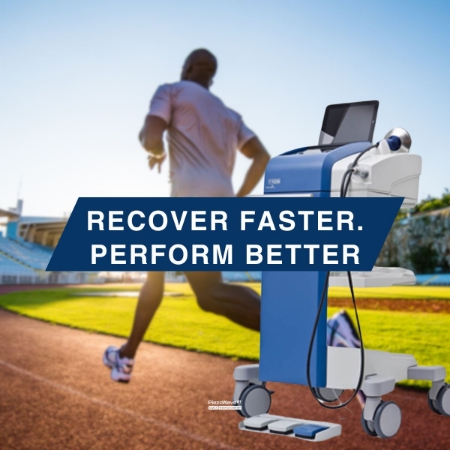
A Non-Invasive Method for Treating A Variety of Conditions
Have you recently suffered a sports injury? Are you struggling with musculoskeletal pain? Shockwave therapy at ProClinix Sports Physical Therapy & Chiropractic could be the non-invasive pain management tool you’re looking for so you can focus on recovery!
The term “shockwave therapy” might sound alarming. Its full name–extracorporeal pulse activation technology–sounds like something out of science fiction. However, there’s nothing to fear from shockwave therapy, which uses high-energy sound waves to reduce pain, facilitate healing and blood circulation, and minimize inflammation. It compresses and manipulates the tissue at different depths, resulting in a targeted and precise deep tissue treatment.
When paired with other physical therapy treatments, this simple technique can help you find lasting relief. Contact our Armonk clinic to learn more!
What Conditions Benefit from Shockwave Therapy?
Shockwave therapy is a non-invasive, highly effective treatment used to address a wide variety of musculoskeletal disorders, particularly those involving chronic pain, soft tissue damage, and limited mobility.
While it’s especially useful for chronic soft tissue injuries like sprains, strains, and tendinopathies, shockwave therapy can also be beneficial for joint-related disorders and calcific deposits that restrict movement and cause persistent discomfort.
At ProClinix, we frequently use Shockwave Therapy to treat:
Common Conditions Treated with Shockwave Therapy:
- Tennis Elbow (Lateral Epicondylitis)
- Golfer’s Elbow (Medial Epicondylitis)
- Runner’s Knee (Patellofemoral Pain Syndrome)
- Jumper’s Knee (Patellar Tendonitis)
- Plantar Fasciitis / Heel Spurs
- Achilles Tendonitis
- Carpal Tunnel Syndrome
- Calcific Tendonitis (especially in the shoulder)
- Shin Splints (Medial Tibial Stress Syndrome)
- IT Band Syndrome (Iliotibial Band Friction Syndrome)
- Hip Bursitis
- Piriformis Syndrome / Sciatica-related pain
- Trochanteric Bursitis
- Rotator Cuff Tendinopathy
- Frozen Shoulder (Adhesive Capsulitis)
- Neck and Upper Back Myofascial Pain
- Chronic Lower Back Pain
- Stress Fracture Support (non-union fractures
- Osteoarthritis (early stages, especially in the knee and shoulder)
- Chronic Hamstring or Groin Strains
- Thoracic Outlet Syndrome (in select cases)
- Muscle Trigger Points and Myofascial Pain Syndromes
Why Choose Shockwave Therapy?
Many of the conditions listed above result from overuse, repetitive motion, or unresolved inflammation. Shockwave therapy provides a targeted solution that can reduce the need for medication or invasive procedures. It is ideal for individuals who want to stay active and recover more quickly, with minimal downtime.
If you’re struggling with a chronic or recurring issue that hasn’t improved with traditional therapies, shockwave therapy may be a powerful addition to your treatment plan.
What Can I Expect from a Shockwave Therapy Session?
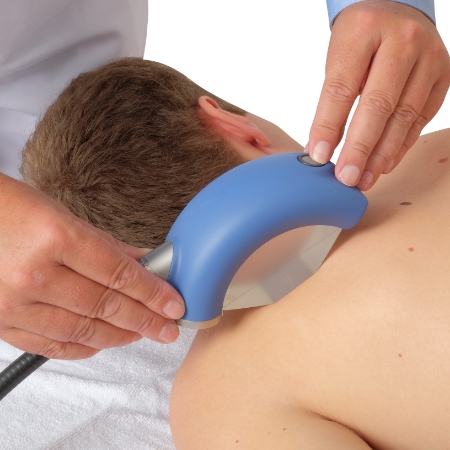
We’ll start by palpating the affected area to ensure we’re targeting treatment correctly. Next, we’ll apply a gel to the affected area, similar to what happens during an ultrasound. The gel ensures the shockwaves effectively transfer to your body without losing energy.
We use a wand to deliver the shockwaves, which work by causing controlled microtrauma to your soft tissue. The body, in turn, responds to this microtrauma by sending more blood to the area, facilitating your body’s natural healing process.
And that’s it! Each session lasts about 10–15 minutes, and most patients require 6–8 sessions, depending on the condition. Shockwave therapy is a safe, simple procedure with minimal side effects. You may experience slight muscle discomfort (similar to what you feel after a workout), but that’s normal and easily managed.
You don’t have to live with persistent musculoskeletal pain! Schedule an appointment at ProClinix to learn if shockwave therapy is right for you.
Sources:
FAQs
Does the treatment hurt / what should patients expect?
Most patients experience little to no discomfort during treatment. Healthy, well-hydrated tissue typically feels nothing at all, while injured, dehydrated, dysfunctional, inflamed, or scarred tissue—or areas with calcification—may produce a deep, dull ache during therapy. This sensation generally subsides within 30 to 45 seconds, and no discomfort persists once the therapy source moves away from that area.
Following treatment, some patients may experience mild soreness similar to what one might feel after a deep tissue massage. This may occur later that day or the following day but is typically mild and not debilitating.
Each treatment usually lasts 10–15 minutes, and patients can return to normal activities immediately afterward.
Any contraindications?
Shockwave therapy is not recommended for individuals who:
- Are pregnant: Treatment may be performed on pregnant patients; however, avoid the midsection (torso area). Treatment of the extremities only is considered appropriate.
- Have a pacemaker or other electronic implant: Patients with pacemakers may receive treatment on the extremities, but the midsection (torso area) must not be treated. Shockwave therapy does not deliver electrical or thermal energy into the tissue.
- Have a blood-clotting disorder or are taking anticoagulant medications: Not recommended.
- Have cancer or a tumor in the treatment area: Not recommended.
- Have open wounds or skin infections at the treatment site: Not recommended.
- Are under 18 (growth plates not yet fully developed): Not recommended.
Should patients avoid using moisturizers or ointments before or after treatment?
Yes. Need to avoid applying numbing topical products to the treatment area before your session, as they can interfere with how effectively the shockwaves are delivered.
What to expect afterward — how will the area feel?
After treatment, the treated area may feel tender, sore, or slightly warm, similar to how muscles feel after an intense workout. Mild redness or swelling is also normal and temporary. These sensations typically resolve within a day or two.
Recommended aftercare
- Avoid high-impact activities or heavy exercise for 24–48 hours after treatment.
- Avoid anti-inflammatory medications (like ibuprofen) for a few days, as inflammation is part of the natural healing response Shockwave Therapy stimulates.
- Stay hydrated and gently stretch the treated area if advised by your therapist.
Possible side effects
Side effects are rare and generally mild. They may include:
- Side effects are rare and typically very mild.
- Most patients tolerate PiezoWave²T treatment extremely well. In nearly all cases, no bruising, swelling, or significant redness occurs. Occasionally, patients may experience mild soreness similar to what might follow a deep tissue massage.
- Tingling or numbness in the treated area is very rare and, if it does occur, is short-lived.
Overall, any minor symptoms generally resolve within a day or two, and the vast majority of patients experience no side effects at all.