

The Secret to Finding IT Band Syndrome Relief
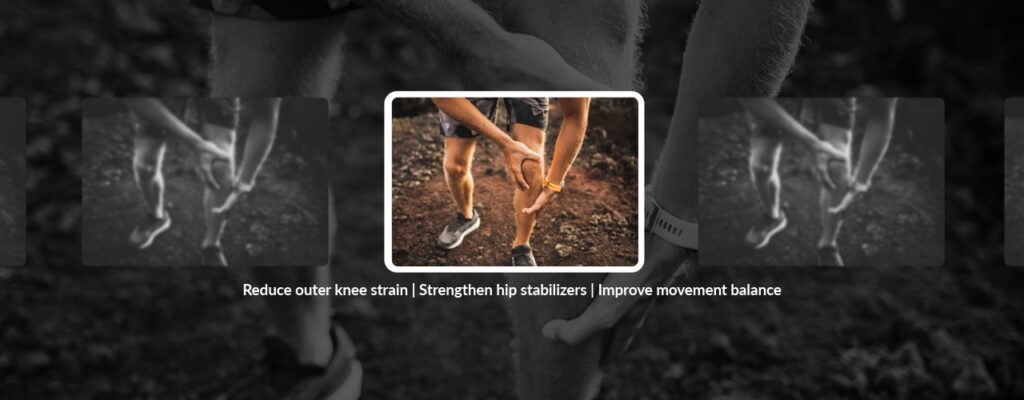
The iliotibial band, or IT band, is a long band of connective tissue that runs along the outside of the thigh. When irritated, it can cause sharp or burning pain in the outer knee or hip. Adults dealing with this condition often find the pain unpredictable. It may flare during walking, climbing stairs, or after sitting for long periods. Many try stretching or rest, but symptoms return because the underlying problem isn’t addressed. Physical therapy offers a clear path toward lasting IT band syndrome relief by correcting movement patterns and improving tissue balance.
Frequently Asked Questions About IT Band Syndrome
What Exactly Is the IT Band and Why Does It Get Irritated?
The IT band supports stability through the hip and knee during walking, running, and standing. It does not stretch like a muscle. When the muscles around it become tight, weak, or unbalanced, the IT band experiences excess tension. This tension can irritate the tissue where it attaches near the knee or hip. Physical therapy identifies which muscles are contributing to this imbalance and designs a plan to correct it.
Why Does IT Band Pain Feel Worse During Activity?
When the hip and thigh muscles do not support the leg well, the IT band takes on extra load with every step. Repetition increases friction and irritation. Activities like running, hiking, or cycling can worsen symptoms because they involve repeated knee bending. Physical therapy reduces this friction by improving strength in key stabilizing muscles and enhancing hip mobility.
Is Stretching Enough to Fix IT Band Pain?
No. Because the IT band is connective tissue, stretching it directly provides little long-term relief. You may experience temporary loosening, but the underlying problem persists. The secret to meaningful IT band syndrome relief is improving flexibility in surrounding muscles such as the glutes, hip flexors, and quadriceps. These muscles influence the amount of tension the IT band experiences during activity. Physical therapists focus on these areas rather than trying to lengthen the IT band itself.
How Does Physical Therapy Reduce IT Band Pain?
Physical therapy works by correcting the mechanical and muscular problems that contribute to irritation. Therapists begin by evaluating hip strength, gait patterns, and flexibility. Treatment usually includes:
- Manual therapy to release tight hip and thigh muscles
- Strengthening exercises that stabilize the hip
- Mobility training to improve how the knee and hip move together
- Posture and gait instruction for better movement control
This combination reduces stress on the IT band and promotes smoother, pain-free activity.
Why Does Hip Strength Matter So Much?
Weak glute muscles allow the hip to drop or rotate inward during movement. This places extra strain on the IT band. Strengthening the glutes, particularly the gluteus medius, helps restore proper alignment during walking and running. When these muscles control the hip well, the IT band no longer compensates for instability. Over time, this reduces inflammation and soreness.
Can Foot Mechanics Affect IT Band Syndrome?
Yes. Flat feet or poor arch support can alter how the leg moves from the ground up. This may cause the knee to angle inward, increasing strain along the outer thigh. Physical therapists assess foot mechanics and may recommend specific exercises or footwear changes. Correcting these issues helps maintain progress and reduces the risk of recurring pain.
How Long Does IT Band Syndrome Recovery Take?
Recovery varies depending on the duration of symptoms and the degree of imbalance present. Many adults notice improvement within a few weeks of consistent physical therapy. Full strength and control may take longer, especially for those returning to running or high-impact exercise. The key to long-term IT band syndrome relief is continuing corrective exercises even after symptoms improve.
What Can I Do at Home to Support My Recovery?
Simple habits help maintain progress:
- Take standing breaks during long workdays
- Warm up before exercise
- Use ice briefly after high-activity days
- Maintain consistent hip and core strengthening
Small actions like these reduce inflammation and promote healthy movement patterns.
Find Your Path to IT Band Relief at ProClinix Sports Physical Therapy & Chiropractic
At ProClinix Sports Physical Therapy & Chiropractic, our physical therapists develop customized treatment plans that address the underlying causes of IT band irritation. We focus on movement quality, strength, and flexibility to provide lasting IT band syndrome relief. When appropriate, we collaborate with chiropractic providers to support alignment and balance. Contact ProClinix Sports Physical Therapy & Chiropractic today to schedule your assessment and take the first step toward comfortable, confident movement.