

9 Chiropractic Myths (and What the Evidence Says)
By Stefanie Tropea, DC
Chiropractic has been around for more than 125 years, yet many misconceptions continue to circulate. Here are nine of the most common myths—and what the evidence actually says.
Myth #1: Chiropractors Only Treat the Spine
While chiropractors are known for treating neck and back pain, many also manage headaches, shoulder pain, hip pain, knee injuries, tendinopathies, and sports-related conditions. Modern evidence-based chiropractic care often includes exercise, rehabilitation, pain education, and soft tissue treatment in addition to spinal manipulation.
Verdict: Myth busted.
Myth #2: Your Spine or Pelvis Goes Out of Alignment and Needs to Be Put Back In
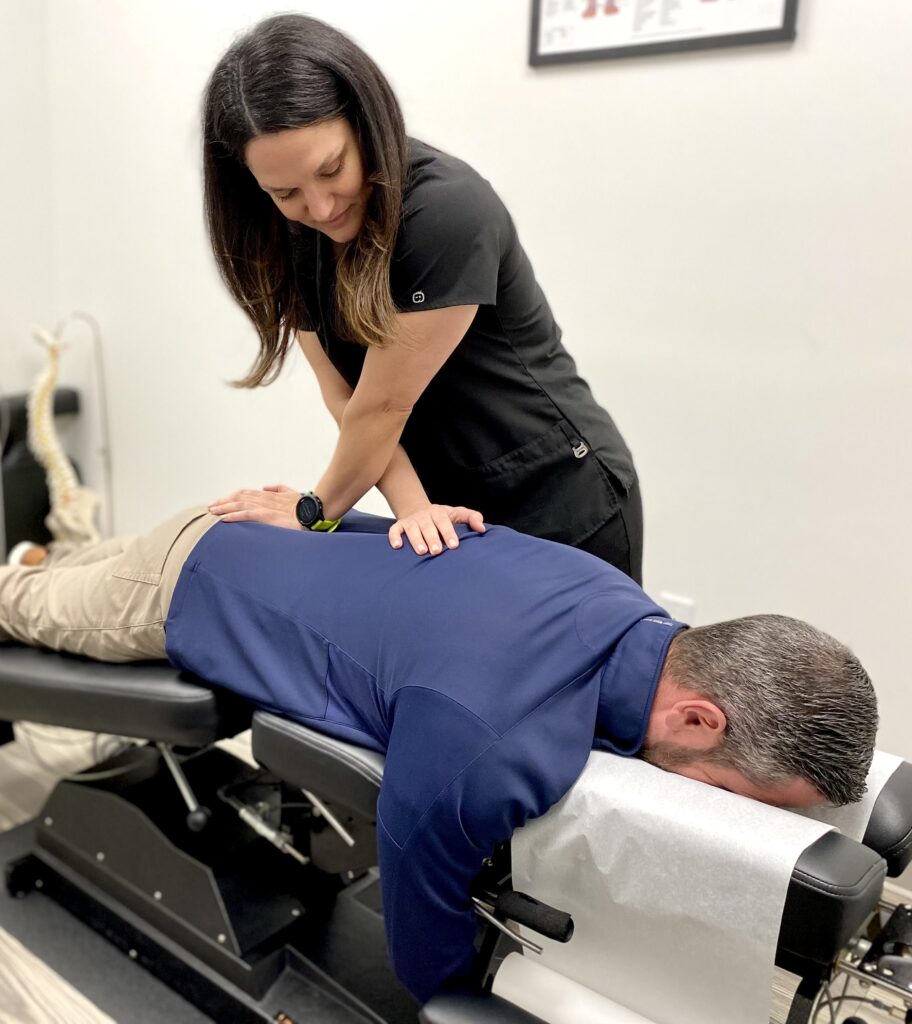
Many people believe their pelvis or vertebrae can easily slip out of place and require manual repositioning. Research does not support this explanation. If a joint were truly out of place, it would typically represent a significant injury requiring medical attention. Current evidence suggests spinal manipulation works through effects on pain, movement, and the nervous system. A spinal adjustment does not “put bones back into place.” Instead, it is a controlled, targeted application of a quick force to a specific joint to improve motion, reduce stiffness, and influence how the nervous system processes pain.
When an adjustment is performed, the goal is to create a brief stretch in the joint and surrounding tissues. This can stimulate joint receptors and change muscle tone and movement patterns in the area. It doesn’t hurt, and you can feel a lot better afterwards.
The “popping” or “cracking” sound that some people hear is not bones moving back into alignment. It occurs when gas bubbles within the fluid of a joint rapidly change pressure and release—similar to the sound you hear when cracking your knuckles.
Most importantly, the sound is not required for the treatment to be effective, and not every adjustment produces it.
Verdict: Myth busted.
Myth #3: A Neck Adjustment May Cause a Stroke
This concern stems from vertebral artery dissections, which often begin with neck pain and headache before a stroke occurs. Research has found that patients seeking chiropractic care for neck pain have a similar risk of stroke as patients seeking medical care for neck pain. Serious complications appear to be very rare, though no treatment is completely risk-free.
Verdict: Myth busted.
Myth #4: Adjustments Boost Immunity, Cure Asthma, and Improve Organ Function
Claims that spinal adjustments can improve immune function or treat medical conditions such as asthma and hypertension have been around for decades. Unfortunately, current research does not support these claims. Chiropractic care is best supported for musculoskeletal conditions, not systemic diseases.
Verdict: Myth busted.
Myth #5: Adjustments Cure Back and Neck Pain
Spinal manipulation can be a helpful treatment for some people with neck and back pain, but it is not a cure. Pain is influenced by many factors including activity, sleep, stress, and overall health. Most successful recoveries involve a combination of movement, exercise, education, and time.
Verdict: Myth busted.
Myth #6: Once You Start Seeing a Chiropractor, You Have to Go Forever
Some patients choose ongoing care because they find it beneficial, while others stop treatment once their symptoms improve. There is no evidence that the body becomes dependent on chiropractic adjustments. Continued care is a personal choice, not a requirement.
Verdict: Myth busted.
Myth #7: Chiropractic Equals Adjustments
Many people assume chiropractors only perform adjustments. In reality, spinal manipulation is just one treatment tool. Depending on the patient and condition, exercise, rehabilitation, soft tissue therapy, mobility work, and education may be more appropriate. In my own practice, I don’t even adjust the majority of my patients.
Verdict: Myth busted.
Myth #8: Chiropractors Aren’t Real Doctors
Chiropractors are not medical doctors, but they do earn a Doctor of Chiropractic (DC) degree and are licensed healthcare professionals.
The educational path typically includes four years of doctoral-level professional training after undergraduate prerequisites. Students study anatomy, physiology, pathology, neurology, radiology, biomechanics, diagnosis, and other basic and clinical sciences. Most chiropractic programs include full cadaver dissection and extensive supervised clinical training during the latter portion of the program. Chiropractors must pass a series of national board examinations and obtain state licensure before entering practice.
The title “doctor” refers to a professional degree, not a specific profession.
Verdict: Myth busted—with a clarification.
Myth #9: Chiropractors Don’t Work Well With Other Healthcare Providers
Many people assume chiropractors operate separately from the rest of healthcare. In reality, evidence-based chiropractors often collaborate with physical therapists, primary care physicians, orthopedic surgeons, neurologists, and pain management specialists. Good patient care often involves teamwork.
Verdict: Myth busted.
When used appropriately, chiropractic care can help people move better, manage pain, and return to the activities that matter most to them.
Sometimes people hurt. Sometimes skilled musculoskeletal care helps.
Dr. Tropea is a chiropractor at ProClinix Sports PT & Chiropractic in Armonk, New York, specializing in evidence-based musculoskeletal care. Her clinical focus includes sports-related injuries, soft tissue therapy (including Active Release Techniques), rehabilitation, and shockwave therapy, with an emphasis on individualized, function-driven treatment plans.
Call us at our Armonk location (914) 303-7920) to book your appointment today!